
Everything you need to launch a field-leading charity
Our two-month, fully funded program provides an evidence-backed charity idea, a well-matched co-founder, expert training and seed funding to launch your charity.


BUILD SOMETHING THAT MATTERS.
Almost everything about founding a charity is difficult. You’ll have to make difficult decisions under uncertainty and constantly learn new skills.
But few careers give you what this one does in return:
Meaning:
Work on a problem that really matters.
Ownership:
Build the solution from the ground up.
Personal growth:
Push your limits and find out what you're actually capable of.
How the program works
A structured path and proven formula for launching a high-impact charity.
You’ll choose an evidence-backed theory of change, find a co-founder, develop your charity proposal and receive the training, funding and support to launch.

Before the program
Join weekly discussions where you’ll get to know your cohort and program managers.

Launch and grow
Apply for seed funding from our network of independent funders, then continue building with ongoing support from our community, mentors and operational experts.
Weeks 1–8: Develop your charity plan
Work full-time with your co-founder to test your idea, develop your strategy and prepare your funding proposal, with guidance from our research team and mentors.
All costs are covered
Starting a charity shouldn't require personal wealth. We cover tuition, living costs and travel so you can focus on building your organisation.
Who it's for
There’s no typical charity founder.
Our founders come from all kinds of backgrounds, from doctors and consultants to students and seasoned entrepreneurs. They range from 19-year-old generalists to experienced specialists, and they come from every inhabited continent.
What you don’t need:
Non-profit experience
A charity idea
A specific degree or career background
Years of experience
All the answers on day one
What you do need:
A commitment to doing good
The ambition to tackle important problems
The ability to learn quickly
The persistence to overcome challenges
Think this isn’t for you? Think again.
Many of our strongest founders almost didn’t apply.
-
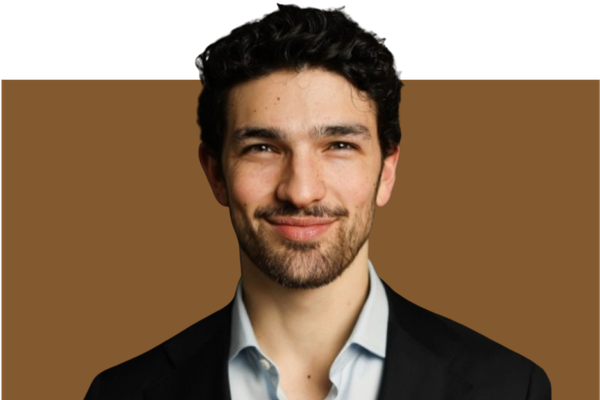
Fernando Martin-Gullans
A professional ballet dancer, founded Ellis Impact
-

Habiba Banu
A management consultant turned career advisor, co-founded Spiro
-
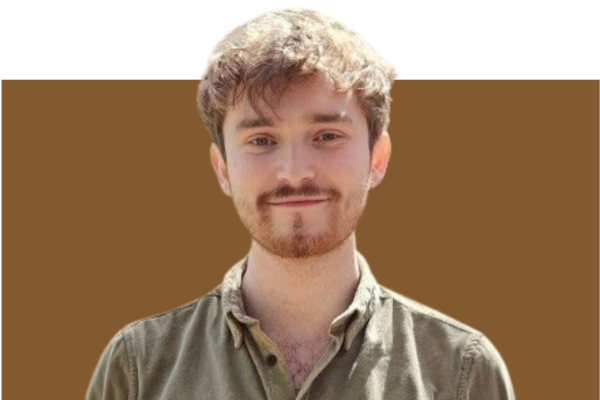
Tom Billington
Co-founded Fish Welfare Initiative straight out of uni with a philosophy degree
-

Joel Tan
founded CEARCH as a management consultant
-

Aanika Dalal
Co-founded ARMOR as a 19-year-old student
-

Dr. Kikiope Oluwarore
Veterinarian, co-founded Healthier Hens
-
Marshall Thomas
A medical educator with a PhD from Harvard founded HealthLearn
-
Dr Wesley Quadros
Founded First Embrace as a medical doctor
-
Kristina Mahony
Was a senior software engineer before founding Better Season Project
-

Steve Thompson
Was an executive coach before co-founding Training for Good
They thought they needed more experience, a different background or their own proven charity idea. The application process is designed to help you understand whether charity entrepreneurship is the right next step for you.
Common Questions
-
Yes, though it's rare. The right idea is a crucial ingredient of an extraordinarily impactful charity. That's why our expert research team spends 5,000+ hours a year poring over the evidence to recommend ideas our participants can use as a starting point. For us to be excited about your own idea, it needs to clear the same bar: strong reasoning and evidence that this is among the most impactful things you could found. If it doesn't, we may still offer you a place working on one of our recommended ideas. If you want the option of bringing your own idea, you must disclose it up front in your application.
-
Yes, and it's one of the most valuable things we do. Charities launched by a single founder tend to move more slowly. Meanwhile, finding your own co-founder usually means choosing from your existing network, and what are the odds the ideal partner for this happens to be someone you already know? Most people are lucky to have one really compatible option; we give you a whole cohort of them, selected for their talent and determination.
Choosing who to found with is a big decision, and of course it’s yours to make. To help you decide, the first half of the program gives you an opportunity to work with everyone in the cohort and test your fit. Our guided matchmaking process has a strong success rate. -
The program is full time and needs your full attention: five days a week, eight hours a day. As a result, past participants have quit their jobs or taken a leave of absence. We pay a stipend that covers your living costs so this is financially possible ([learn more]).
That's a big step, but the career risk is lower than it sounds. The two typical paths: (1) Most participants launch a charity, with ~95% of proposals submitted to our seed network getting funded. (2) Those participants who decide entrepreneurship isn’t for them or aren’t paired with a co-founder and charity idea get a further three months of stipends and career mentorship while they find their next role. Our alumni are in high demand and we have a near-100% track record of connecting them with impactful opportunities. -
Mostly online, with two weeks in person at our London office; we cover your travel costs. [See the full program timeline]
-
You set your own salary, paid from your organization's budget, and we encourage you to base it on your individual needs and circumstances. In practice, founder salaries vary widely.
You can see our comprehensive FAQs here.


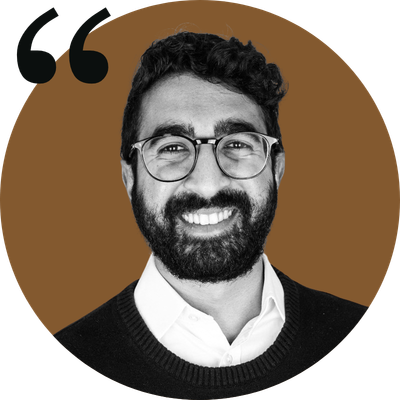
I was interested in working for a charity, but would never have actually started one. The program made me feel founding was something I could enjoy, and even be good at. For every major hurdle, they gave concrete help in overcoming it. I love running my organisation, and I couldn't have gotten here without the program.”
— Keyur Doolabh
Co-Founder of Healthy Futures Global
Previously: Medical doctor
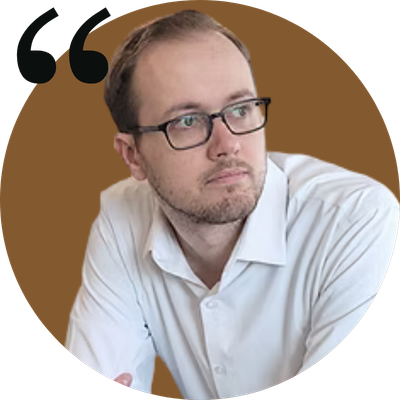
I’d founded twice before, so I doubted a program could add much. I was wrong. Their co-founder matching process is an order of magnitude better than anything else I tried. They also sharpened my launch plan, helped pressure-test my ideas, and got me moving much faster than I've ever moved on my own. It was like doing Y Combinator all over again.”
— Kerry Vaughan-Rowe
Co-founder of Radius Institute
Previously: Serial entrepreneur and Y Combinator alumnus
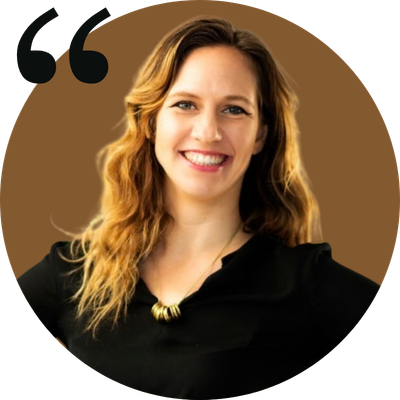
After a decade in the non-profit sector, I felt comfortable working for an NGO but doubted my ability to found one. AIM changed that. I joined with the intention of finding a founder to support. Instead, I left as one. The program didn't just sharpen my skills; it showed me that I was ready to build something of my own.”
— Melissa Kaye Kaminker
Co-Founder of Opal Health
Previously: Charity program manager